

Storm damage doesn’t wait — Contact Us for fast repairs and insurance help.
When a storm hits, you need fast answers and a crew you can trust. We respond quickly to wind, hail, and fallen tree damage, secure your home, and guide you through the insurance claim from start to finish.
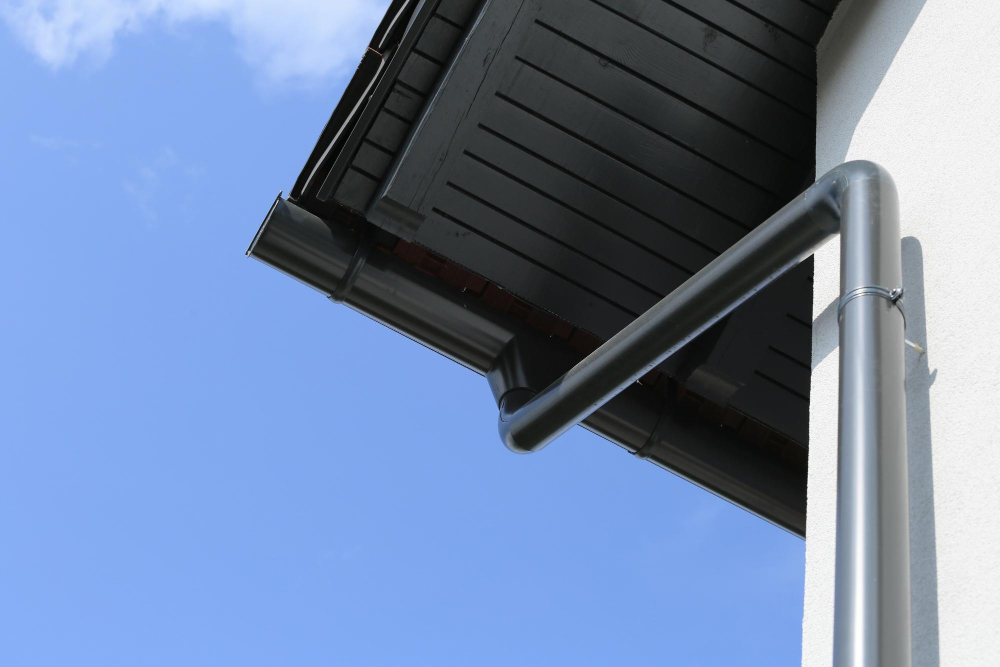
From emergency tarping and leak detection to fallen tree response and full roof replacement, we act fast to secure your property and prevent further damage.
If you notice any of the below, take a few photos and call us. We will handle the rest.
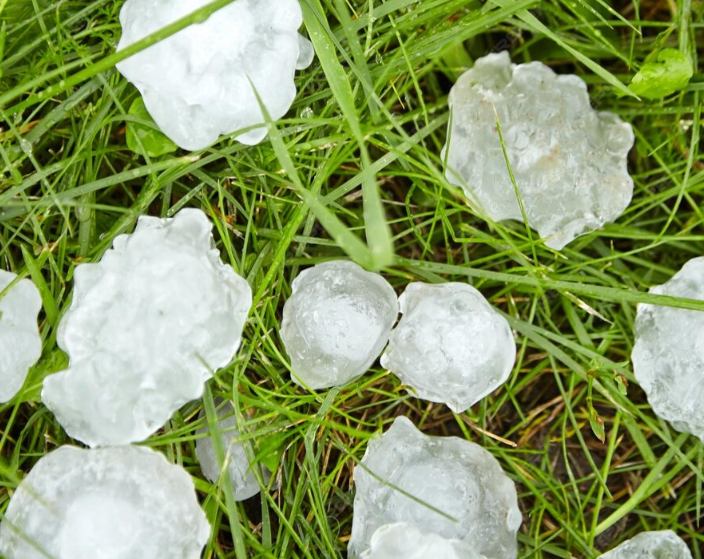
Bruised or missing granules, dents on metal vents and flashing
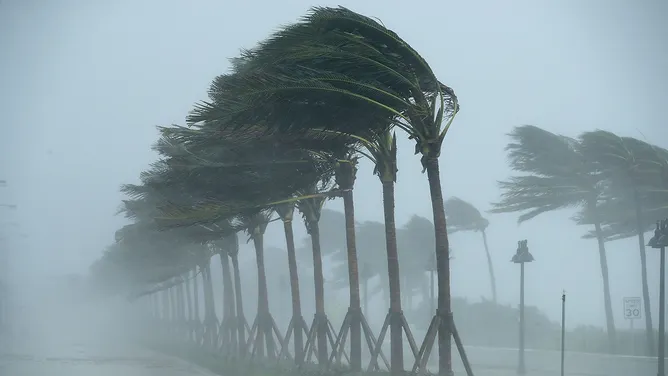
Lifted or missing shingles, creased shingle lines, exposed nails

Impact points, punctures, cracked decking
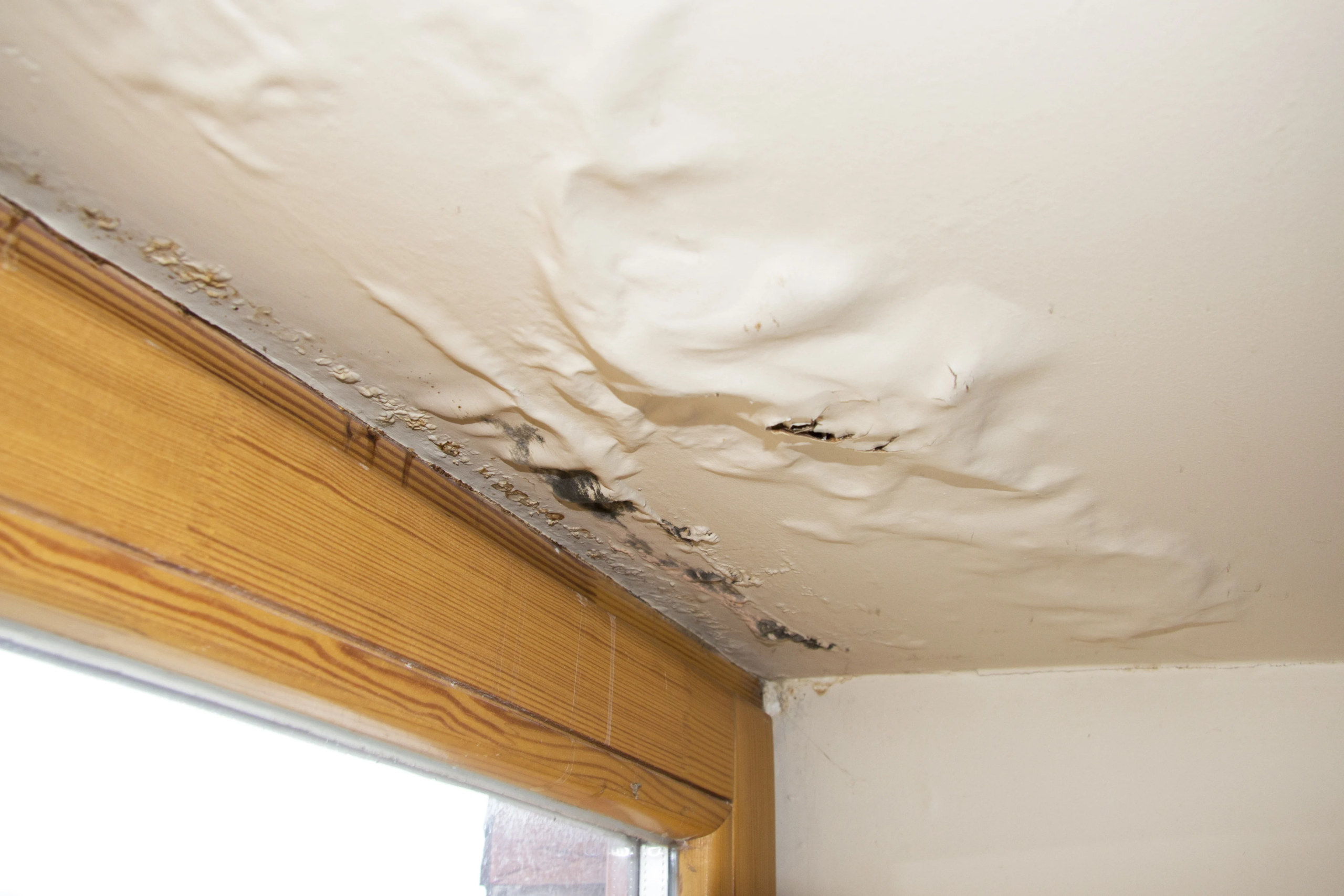
Stains on ceilings or walls, damp attic insulation
We work with all major insurance providers. Our goal is a fair assessment and a roof that is restored to pre-storm condition or better.
We capture photo and video evidence and prepare a clear report.
We can walk you through the claim call and share the right terminology.
We meet your adjuster on site to point out damage and answer questions.
We compare the insurer’s estimate to code requirements and your roof’s needs.
We schedule work, keep the site clean, and provide updates throughout.
You receive closing documentation for your records and a workmanship warranty.
Important Note: We do not waive deductibles. That practice can violate state guidelines. We keep the process honest and compliant.
Homeowners trust Blue Ribbon Roofing for quality work, honest service, and a smooth experience from start to finish.
Emergency tarping and scheduling that respects your time
Photos and line-item estimates your insurer understands
Crews that protect landscaping, magnet-roll for nails, and clean up daily
A real team you can call after the storm passes
"The final installation was terrific; the craftsmanship is impeccable. The installers were professional and polite, and there was minimal disruption to our daily lives. The cleanup was impeccable. I highly recommend Blue Ribbon!"
- Tim Paige
Hello Enrique! The work that you did (replacing the roof) was excellent. I appreciate your service!! I would rate you a 5!
- Tiffany Woodruff
Enrique has always been easy to work with. He has been quick to get measurements, pricing, and permits. His crew does a great job with installation and clean-up! I have had 2 roof replacements and gutters done as well. I am also a realtor and have referred him to others as well. 5-star service each time!
- Michea Bland
If your roof was hit by wind, hail, or debris, you probably have a few questions. Here are answers to the ones we hear most often.
ice, tropical cyclone, storm damage, national weather service, tornado, hurricane, microburst, water damage, roof, tropical, hail damage, property, types, storms, wind damage, common types, lightning, damage, hurricane damage, water, roof repair, gutters, general contractor, free estimate, free estimates, free quote, roofing, roofs, contractors, roofing contractors, roof installation, roofing services, insured, roof leak repair, roofers in my area, roof restoration, soffit repair, small roof repair contractors, local roofers, roof contractors, garage roof replacement, emergency roof leak repair, ceiling leak repair, roofers, flat roof repair, roof repair cost, roof repair estimate, roof services, roof repair services, certified roofers, best roof company, top roofers, roofing repair services, flat roof, asphalt shingles, metal roofs, shingle roofing, flat roofs, estimate, repair, inspection, installation, home insurance, storm damage tree removal near me, storm tree removal, storm damage tree removal, storm damage tree cleanup, storm damage tree service, storm cleanup near me, tree fell, tree damage, fallen tree, limbs, tree falls, emerald ash borer damage, ash borer damage
blue ribbon roofing, storm damage, roof repair, gutter repair, storm damage roof repair in kansas city, storm damage repair services, storm damage roofer, emergency roofing, emergency roof repair, emergency roof repair near me, storm damage roof repair kansas city
Storm damage to a roof can manifest in various ways, often requiring a keen eye to identify. This damage can stem from high winds, hail, falling debris like tree limbs, or even heavy snow accumulation. Recognizing these signs promptly is crucial for preventing further deterioration and ensuring the structural integrity of your home.
Common indicators of storm damage include missing or lifted shingles, dents or bruising on roofing materials, cracked decking, and visible punctures. Water stains on ceilings or walls, damp attic insulation, and debris accumulating in gutters are also critical signs that your roof may have sustained damage and requires professional attention.
Following a storm, the urgency of addressing roof damage cannot be overstated. Even seemingly minor damage can create entry points for water, leading to a cascade of problems including interior leaks, mold growth, and potential structural weakening over time. A swift response can significantly mitigate these escalating issues.
Acting quickly not only protects your home from further water intrusion and related damage but also plays a vital role in the insurance claims process. Many insurance policies require timely reporting and mitigation of damage to ensure full coverage, making prompt professional assessment and repair essential for homeowners.
Blue Ribbon Roofing specializes in identifying and repairing a comprehensive range of storm-related roof damages. Our expertise covers the most common and destructive impacts of severe weather, ensuring that every aspect of your roof's vulnerability is addressed with precision and care.
We expertly handle issues arising from high winds, such as lifted or missing shingles and exposed nails. Our team is also adept at diagnosing and repairing hail damage, characterized by bruised or missing granules and dents on metal components. Furthermore, we address damage caused by fallen limbs, including impact points and punctures, and are equipped to tackle active leaks that manifest as ceiling stains or damp attic insulation.
Navigating the complexities of storm damage insurance claims can be overwhelming. Blue Ribbon Roofing is dedicated to simplifying this process for Kansas City homeowners, acting as your advocate and providing the necessary documentation and expertise to ensure a smooth and successful claim resolution.
We work collaboratively with all major insurance providers, offering detailed, photo-documented assessments and line-item estimates that your insurer can easily understand. Our team will guide you through every step, from the initial inspection and adjuster meeting to the scope review and final invoicing, ensuring your claim is handled efficiently and effectively.