

Storm damage doesn’t wait — Contact Us for fast repairs and insurance help.
Your roof isn’t complete without a reliable residential gutter system. At Blue Ribbon Roofing, we install, repair, and replace seamless gutters that keep water flowing freely and your home safe from costly damage. Whether you’re replacing a roof, filing an insurance claim, or simply upgrading old gutters, our team delivers fast, honest, and professional service from start to finish.
Because we’re not just your contractor, we’re your neighbor.
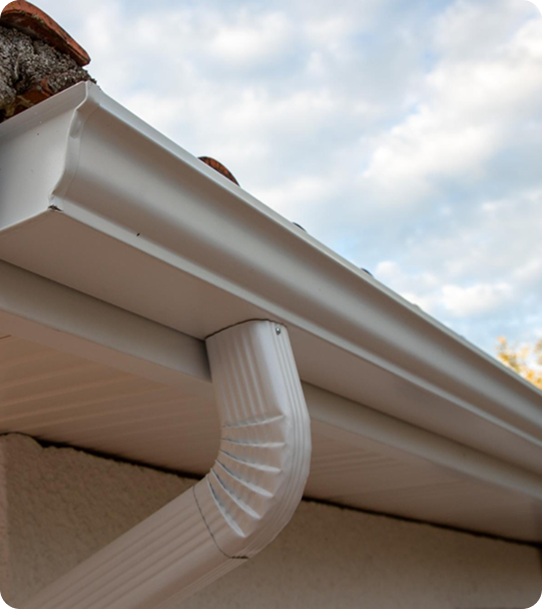
A quality gutter system does more than collect rainwater. It protects your home from top to bottom:
Directs water away from your home to prevent cracks and shifting.
Keeps water from collecting around your foundation and landscaping.
Keeps moisture from seeping behind exterior surfaces.
Blue Ribbon Roofing provides dependable, affordable residential roofing services that protect your home, enhance curb appeal, and stand the test of time.
Custom-cut aluminum gutters made to fit your home perfectly. No seams means fewer leaks, less maintenance, and a cleaner look.
From storm damage to age-related wear, we’ll inspect your system, explain your options, and restore it to full function — always with transparent pricing.
Say goodbye to weekend cleanouts. Our gutter guard systems help prevent clogging and extend the life of your gutters.
Every roof estimate automatically includes a gutter quote, so you can handle both at once for the best value and protection.
Homeowners trust Blue Ribbon Roofing for quality work, honest service, and a smooth experience from start to finish.
70% of our residential work comes from insurance claims.
Most roofs are completed in just one day without sacrificing quality.
We keep worksites clean and treat every home like it’s our own.
From the first estimate to the final inspection, you’re always informed and in control.

Over 70% of our residential work comes from insurance claims, and we know how to navigate them quickly and fairly. We’ll guide you through every step, from inspection to replacement, ensuring your claim covers the protection your home deserves.
"The final installation was terrific; the craftsmanship is impeccable. The installers were professional and polite, and there was minimal disruption to our daily lives. The cleanup was impeccable. I highly recommend Blue Ribbon!"
- Tim Paige
Hello Enrique! The work that you did (replacing the roof) was excellent. I appreciate your service!! I would rate you a 5!
- Tiffany Woodruff
Enrique has always been easy to work with. He has been quick to get measurements, pricing, and permits. His crew does a great job with installation and clean-up! I have had 2 roof replacements and gutters done as well. I am also a realtor and have referred him to others as well. 5-star service each time!
- Michea Bland
gutter guards, gutter installation, gutter cleaning, gutter repair, seamless gutters, homeowners, roof, gutter replacement, gutters, copper, gutter services, replacement, roofing, gutter replacement costs, professional gutter installation, fascia and soffit replacement, gutter fixing near me, gutter and siding repair, gutter downspout replacement cost, gutter repair and installation, gutter fascia and soffit replacement, new gutters for house, cost to replace a gutter, cost of replacing roof and gutters, new gutters, gutter repair and replacement, aluminum, sectional gutters, vinyl, materials, steel, replacement costs, siding, repair services, installation, gutter deflector, gutter installs, gutter, downspout, leaf guard cost, gutter replacement cost, gutter guard cost, rain gutter installation, new gutters cost, gutter installation cost, gutter guard installation cost, leafguard gutters cost, cost of gutters, local gutter companies, rain gutters, gutter guard installation, gutter companies, gutter contractors, seamless gutter installation, box gutter, gutter system, fascia, water damage, half-round gutters, rainwater, roof repair, damage, rain, house, roof installation, service, professional gutter, skip to content, customer, tri-state area, gutter installation gutter, install, roof repairs, expert gutter, install gutters, round gutters, gutterinstallation
residential gutters, blue ribbon roofing, gutter installation, gutter repair, residential gutters kansas city, gutter replacement, gutter installer kansas city, blue ribbon gutters, gutterinstallation, kansas city gutter replacement, gutter installation near me, gutter company in blue springs, gutter blue springs mo, 5 inch rain gutters kansas city mo, blue springs gutter replacement company, rain gutter installation companies in blue springs, best 5 inch gutter company kansas city mo, 5 inch gutter service riverside mo, blue springs rain gutter installation companies
Seamless gutters offer significant advantages over traditional sectional gutters, primarily due to their design that minimizes joints and seams. This feature greatly reduces the risk of leaks, which can lead to costly water damage and maintenance issues over time.
Additionally, seamless gutters provide a cleaner, more aesthetically pleasing look, enhancing the overall curb appeal of your home. Their custom-fit installation ensures that they perfectly match your roofline, further contributing to their effectiveness in directing water away from your property.
Regular maintenance is essential to ensure that your gutters function effectively. Homeowners should inspect their gutters at least twice a year, particularly after heavy storms or fall when leaves can clog the system. Simple tasks like cleaning debris and checking for rust or damage can prevent larger issues down the line.
Moreover, investing in gutter guards can significantly reduce the amount of maintenance needed. These protective covers keep leaves and debris out while allowing water to flow freely, making it easier to maintain clear gutters and reducing the frequency of cleanings.
The gutter installation process begins with a thorough assessment of your home to determine the best system for your needs. Our team at Blue Ribbon Roofing will take precise measurements and help you choose the right materials, ensuring that your new gutters are both functional and visually appealing.
Once the planning is complete, our professional installers will efficiently mount your seamless gutters, ensuring proper alignment and secure attachment. This meticulous approach guarantees optimal performance, protecting your home from water-related damage for years to come.
Homeowners often encounter various gutter issues, such as clogs, leaks, and sagging. Clogs can lead to overflow and water damage, while leaks compromise the integrity of your gutter system. Identifying and addressing these problems promptly is crucial to maintaining the health of your home.
Solutions range from regular cleaning and maintenance to professional repairs and replacements. Our team at Blue Ribbon Roofing is equipped to diagnose these issues accurately and provide effective solutions, ensuring your gutters continue to protect your home from water damage.